
ATG Tickets - Theater Tickets
ATG EntertainmentEvents
4.823.00 Reviews
- Version
- 1.5.7
- Installs
- 100.00K
- Age Rating
- Everyone
Screenshots
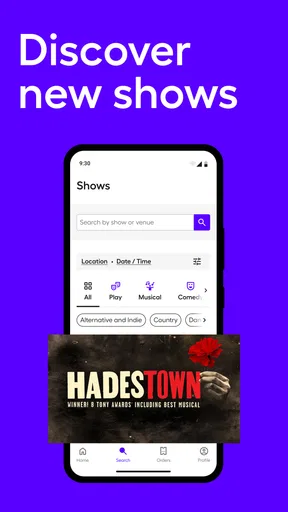

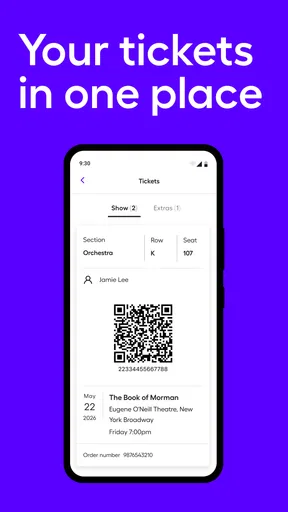

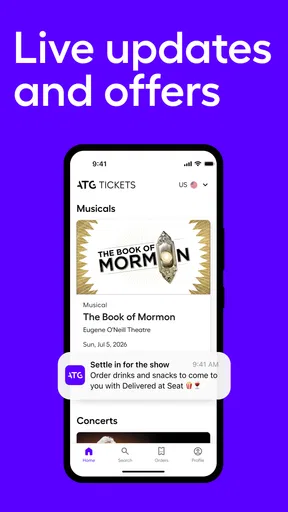
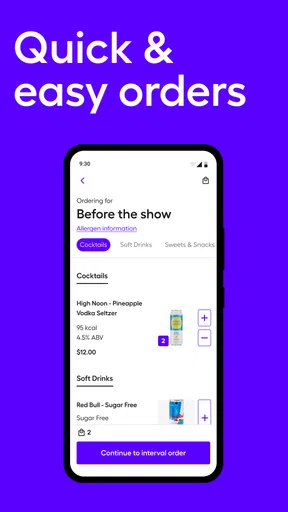
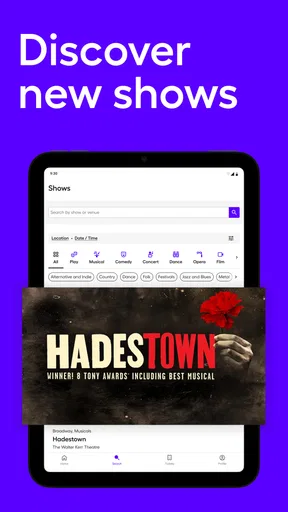

Our Review of ATG Tickets - Theater Tickets
 Analysis by Appyee
Booking a theatre ticket can be surprisingly awkward when you are trying to compare several shows, check a New York performance, and make a decision before the good seats disappear. ATG Tickets takes a focused approach: it is an events app from ATG Entertainment for finding and booking Broadway and US theatre tickets, including shows and musicals in New York. I found its purpose easy to understand from the start, and that narrow focus is its biggest advantage.
This is not an app I would install for general entertainment discovery or last-minute plans in every city. I see it as a practical companion for someone who already has theatre in mind and wants a more direct route from browsing to booking. It is free, suitable for Everyone, and available on Android devices running version 10 or later. The current release is 1.3.1, so compatibility is worth checking before planning around it on an older phone.
How ATG Tickets feels when you are searching for a show
My first impression is that the app’s speed matters less as a headline feature than as part of the booking experience. Theatre searches often happen in short bursts: you might have a few minutes during a lunch break, be standing outside a venue, or be comparing options with friends. In those situations, a focused events app has a natural advantage over opening several browser tabs and jumping between unrelated ticket pages.
The app’s store identity is deliberately brief—“ATG Tickets”—but its practical role is clearer once you use it. The important question is not whether it offers endless content; it is whether it helps you move through the theatre-ticket process without unnecessary detours. For Broadway and US theatre searches, that focus makes the experience easier to understand than a broad ticket marketplace where concerts, sports, comedy and theatre all compete for attention.
I would still keep realistic expectations about speed. A ticketing app depends on the amount of information being loaded, the quality of your connection, and the demand around a popular performance. A quiet search for a weekday show should feel very different from trying to secure seats while many people are looking at the same event. The app can make navigation more direct, but it cannot remove the pressure created by limited availability.
One useful habit is to decide your acceptable performance date, show type and budget before opening the search. That sounds obvious, but it reduces the amount of back-and-forth that can make any ticketing app feel slow. If I already know whether I want a musical or a play, and whether I am looking for a New York show rather than a broader US option, I can use the app with much less hesitation.
Where the focused design helps
The strongest use case is planning a theatre outing rather than casually browsing. Suppose I am visiting New York and want to arrange an evening show after dinner. Instead of beginning with a general search engine, I would open the app to keep the decision centred on theatre tickets. I can compare the available possibilities in the setting that matters to me, then continue toward a booking without being distracted by unrelated event categories.
That focus also helps when arranging a group outing. Friends often have different priorities: one person wants a musical, another cares about the date, and someone else is watching the total cost. I would use the app as the shared starting point, then settle the practical details before committing. The trade-off is that the app is most useful when everyone agrees that theatre is the goal; it is less helpful for a group that is still choosing between a show, a concert and another type of event.
A less obvious benefit is reducing the risk of searching through stale browser results. General web searches can lead to pages that describe a production without making the booking path obvious, or they can mix official information with third-party listings. A dedicated ticket app gives the search a clearer purpose. I still recommend checking every booking detail carefully before payment, especially the selected date and venue, but the starting point is more disciplined.
What happens when you use it heavily
The most demanding moment is likely to be a popular booking window or a busy evening when several people are trying to find seats at once. This is where perceived performance becomes more complicated. A screen that loads quickly during casual browsing may feel much less responsive when availability changes rapidly or when you repeatedly adjust dates and selections.
I would avoid treating a fast response as proof that a seat is safely yours. Ticket availability can change between browsing and confirmation, so the app should be used as a live decision tool rather than a promise that every displayed option will remain open. My practical approach would be to prepare a first choice and one or two acceptable alternatives before starting the final booking steps.
For heavy use, the app is better suited to short, purposeful sessions than to leaving it open all day while repeatedly refreshing. That is not a criticism unique to this product; ticketing is inherently time-sensitive. Still, it is an important trade-off. If you are monitoring many performances across a long period, a desktop browser may be more comfortable for comparing information side by side, while the mobile app is more convenient for quick checks and bookings away from a desk.
Another realistic scenario is a last-minute decision after work. I might have an unexpected free evening and want to see what is available in New York. In that case, the app’s value comes from reducing the number of places I need to search. The limitation is that last-minute choice is governed by what remains, not simply by how quickly the app opens. A focused interface can save time, but it cannot create better availability.
Stability, interruptions and recovering from a failed attempt
Reliability matters more than visual polish in a ticketing app because an interruption can affect a real purchase. My advice is to treat every booking as a sequence that deserves a final review. If the connection drops, the app closes, or a page does not respond as expected, I would not immediately assume that nothing happened. I would first check the booking status or confirmation area before trying again, because repeating a transaction too quickly can create confusion.
This recovery mindset is especially important when buying for several people. Before restarting a failed attempt, note the show, date and seating choice you were trying to make. That small step makes it easier to recognise whether the second attempt is genuinely new or whether the first one may have progressed further than expected.
I also recommend keeping the app updated through the normal store process. The current version is 1.3.1, and staying on a recent release is sensible for an events app where listings and booking flows can change over time. That does not guarantee perfect performance, but it avoids one avoidable source of friction. If the app behaves unexpectedly, closing and reopening it is a reasonable first recovery step before switching to another route.
The app has a 4.7 average from around 2.6 thousand ratings, which suggests that many users have had a positive overall experience. I treat that as useful context rather than a guarantee for every device or booking situation. Ratings reflect the complete user journey, while my own judgement focuses on how well the app fits a person who wants a concentrated theatre-ticket workflow.
Its reach is also meaningful: it has passed 100 thousand installs. That makes it feel like an established option rather than an obscure experiment, although popularity alone does not answer whether it suits your habits. For me, the more important point is that the app has a clear audience: people looking for Broadway or US theatre tickets through an ATG Entertainment product.
Phone compatibility and everyday resource demands
Because the minimum operating system is Android 10, the app is not aimed at very old Android phones. If your device runs that version or a newer one, compatibility should be straightforward in principle, but available storage, background activity and connection quality can still affect how comfortable the experience feels. I would avoid beginning an important booking with a nearly full phone or with several demanding apps competing for attention.
I would also prefer using a stable connection when making the final selection. Mobile data is convenient when travelling, but an unstable signal can make a booking feel unreliable even if the application itself is functioning normally. For browsing, a brief interruption may be harmless; during confirmation, it is more frustrating because the user is unsure whether to wait, retry or start over.
Resource demands are best judged by the task rather than by leaving the app open. A short search for a show should be a modest mobile activity, while repeated browsing, switching between apps and checking multiple dates can make any phone work harder. I would close unused apps before a time-sensitive booking, not because ATG Tickets is necessarily demanding, but because reducing distractions improves the chance of recovering calmly if something takes longer than expected.
The app’s Everyone rating makes it approachable for a broad audience, but that does not mean every user will find the workflow equally comfortable. A first-time theatre buyer may need to slow down and read each booking step carefully. An experienced ticket buyer may prefer the convenience of a mobile route. In both cases, the best results come from treating the app as a booking tool rather than rushing through it as if it were a simple content feed.
Where it beats ordinary alternatives—and where it does not
Compared with a general search engine, ATG Tickets offers a more purposeful starting point for theatre. A search engine is better when you want reviews, cast information, transport directions or independent opinions alongside ticket availability. The app is better when the central question is, “What theatre ticket should I look at next?” I would use both at different stages rather than expecting one to replace the other.
Compared with a desktop browser, the app wins on portability. It makes sense when you are travelling, coordinating plans in a group chat, or checking a show while away from your computer. The browser can still be preferable for people who want several windows open, who need a larger view for comparing options, or who are already comfortable with a theatre venue’s website.
Compared with broad ticket marketplaces, the app’s specialised scope is both its strength and its boundary. Theatre fans benefit from less clutter and a clearer purpose. Someone looking for a complete evening plan across many event types may prefer a broader service. I would not choose this app as my only ticketing tool if my plans regularly shift between sports, concerts and theatre.
One practical trade-off is independence. A specialist app can make the route to a ticket feel more coherent, but I would still compare the final details with the venue information when the event is important. Check the theatre, performance time and number of seats before confirming. This is not unnecessary caution; it is a sensible habit whenever a booking has travel, accommodation or a group depending on it.
Who should use it and who should skip it
I would recommend ATG Tickets to someone planning Broadway or US theatre, especially if that person wants a mobile-first way to browse and book rather than a general events catalogue. It is also a good fit for visitors who want to organise a New York show before or during a trip, and for regular theatre-goers who prefer keeping their search within a dedicated events app.
I would be less likely to recommend it to a person who is only casually exploring all kinds of entertainment. The app’s value comes from its theatre focus, so it may feel unnecessarily narrow if your main goal is to compare every event happening in a city. I would also suggest a browser-based approach for users who dislike making important purchases on a phone or who need a wide screen for detailed comparison.
For families and mixed-age groups, the Everyone rating is reassuring in terms of general accessibility, but the purchase itself still deserves adult attention. The app can help locate a suitable event, yet the organiser of the outing should verify the practical details before paying. That is particularly true when several seats, multiple dates or a trip across town are involved.
My performance verdict after weighing speed and trust
The main strength is not raw speed; it is the reduction of unnecessary searching. By concentrating on Broadway and US theatre tickets, ATG Tickets gives a clear purpose to a task that can otherwise become scattered across websites and applications. It feels most effective in short, focused sessions, especially when I already know the kind of show or city I want to explore.
Its performance should be judged with the realities of ticketing in mind. Busy booking periods, changing availability and an unstable connection can still create delays or uncertainty. I would prepare alternatives, use a dependable connection for confirmation, and check the result before repeating a failed attempt. Those habits make the app easier to use and protect against the most frustrating booking mistakes.
ATG Entertainment has built an events app with a clear audience rather than trying to cover every kind of outing. The free price and broad age rating lower the barrier to trying it, while the positive 4.7 average and more than 100 thousand installs give it encouraging signs of adoption. My recommendation is straightforward: use it when theatre is the decision you are making, not when you need an all-purpose event marketplace.
After using it as a theatre-focused option, I would keep it on my phone for New York and US show searches. I would not abandon a browser, venue information or broader ticket services entirely, because each is useful for a different part of the planning process. But for the central job—finding a suitable theatre performance and moving toward tickets without unrelated clutter—this app earns a place in the shortlist.
Privacy and Permissions
See what permissions an app requests and how it handles your data.
- Location
- approximate location (network-based)
- Photos/Media/Files
- read the contents of your USB storage, modify or delete the contents of your USB storage
- Storage
- read the contents of your USB storage, modify or delete the contents of your USB storage
- Other
- view network connections, full network access, run at startup, reorder running apps, prevent device from sleeping
Verdict
Strengths of ATG Tickets - Theater Tickets
- Browse and buy tickets for Broadway and other theater productions.
- Official ticket listings help reduce the risk of purchasing invalid tickets.
- Mobile tickets make entry convenient without printing paper tickets.
- Useful show details include performance times, venues, and seating information.
- A practical option for managing theater bookings in one dedicated app.
Limitations of ATG Tickets - Theater Tickets
- Availability and prices can vary significantly by production and performance date.
- Service or delivery fees may increase the final ticket cost.
- The app is mainly useful to users interested in ATG-managed venues.
- Refunds and exchanges may depend on the individual theater’s policy.
- Some performances may sell out before tickets become available in the app.
Similar Picks in This Category
View All
Easy Quran Mp3 Audio Offline
Muslim Worldapp4.7

Invitation Maker: Cards & RSVP
Greetings Island4.9

StubHub - Live Event Tickets
StubHub4.3

Fever: Events & Tickets
Fever Labs4.7

Epic Freebie Games Radar
Arioch Pds - Apps & Games4.4

Invitation card Maker, Design
Splendid App Maker4.9
Frequently Asked Questions
What is ATG Tickets - Theater Tickets?
ATG Tickets is the official mobile app for finding and booking tickets for shows at participating ATG venues across the United Kingdom. After installing it, you can browse theatre productions, musicals, comedy, dance, family entertainment and other live events, then view performance dates, seating options and prices before completing your purchase through the app.
Can I choose my seats and see ticket prices in the app?
Yes. When a performance supports online seat selection, the app lets you choose from the available seating plan and review the price for each ticket category before paying. Prices can vary depending on the date, seat location, booking fees, concessions and special offers. It is worth checking the final order summary carefully, as additional charges may be shown before checkout.
How do I access tickets purchased through ATG Tickets?
After completing a booking, your confirmation and ticket information are normally linked to the account or email address used during checkout. Depending on the venue and event, tickets may be available as mobile tickets, downloadable files or collection instructions. Keep your confirmation email accessible and open the booking section in the app before travelling, particularly if venue entry requires a barcode.
Does ATG Tickets support cancellations, refunds or ticket exchanges?
Cancellation and exchange rules depend on the event, venue and ticket conditions, so they are not identical for every booking. In general, tickets may be non-refundable unless a performance is cancelled or the venue’s terms allow an exchange. Before paying, read the booking conditions and contact ATG customer support or the relevant venue promptly if your plans change.
Is ATG Tickets free to download, and does it work at every theatre?
The ATG Tickets app is generally free to download, although purchasing tickets involves the ticket price and any applicable booking or delivery fees. Its coverage is focused on participating ATG theatres and events rather than every theatre in the country. Availability, features and ticket options can differ by venue, so check the app listing and event page for the most accurate information.
